Connected Pelvic Floor Trainer: How It Works, Who It Helps, and Where It Falls Short
How a connected pelvic floor trainer works, who it helps, its limits, and when to see a pro. A calm, honest well-being guide.
8 minread
5 min/daytypical session
No prescriptionavailable over the counter
Independentno brand paid for this
In short
- A connected pelvic floor trainer is a small intravaginal sensor paired with a phone app that shows your muscle contractions in real time (biofeedback).
- It mainly helps with technique and motivation: you finally see whether you are squeezing the right muscles, and games make you stick with it.
- It suits many people navigating the post-partum period, mild stress leaks, or a simple wish to rebuild tone.
- It is a complement, not a replacement, for supervised care. If you have pain, prolapse symptoms, or leaks that disrupt your life, see a pelvic health physio or midwife first.
A woman once leaned across my old pharmacy counter and asked, almost in a whisper, “How do I even know I’m doing my Kegels right?” Fair question. For years the honest answer was “you kind of don’t.” You squeeze, you hope, and half the time you are actually clenching your glutes or holding your breath. That blind spot is exactly what a connected pelvic floor trainer sets out to fix.
So let’s talk plainly about what these little sensors do, who they genuinely help, and where they quietly oversell themselves. We tested the category the way we test everything here: with curiosity, a healthy dose of skepticism, and a rule that comfort and safety come before gadgetry. No brand paid for a single word of this.
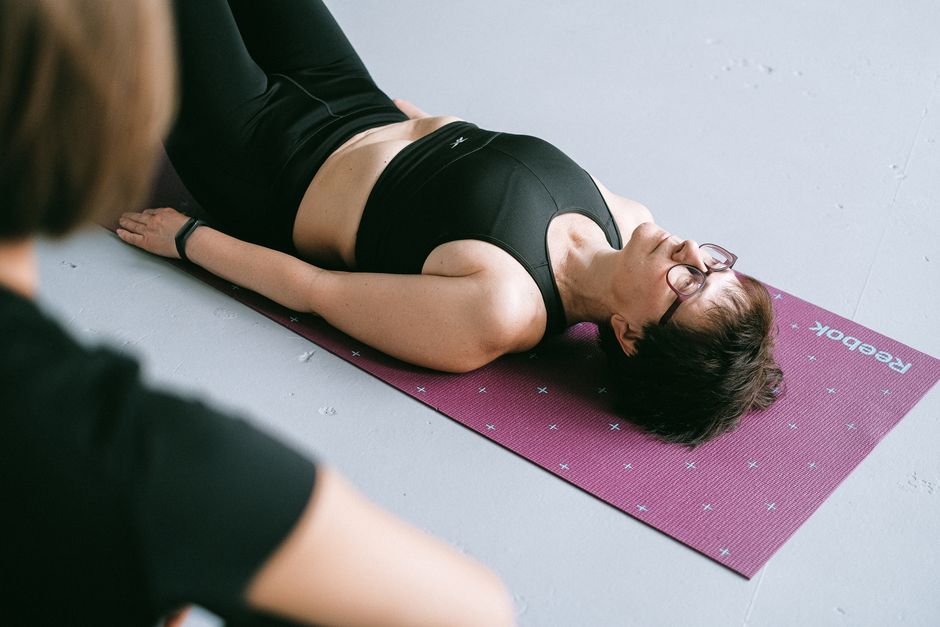
What is a connected pelvic floor trainer?
Picture a soft, body-safe silicone probe, roughly the size of a small tampon, that you insert like one. Inside sit pressure or motion sensors. They read how hard, how fast, and how steadily your pelvic floor muscles contract, then send that data by Bluetooth to an app on your phone. On screen, your squeeze becomes something you can actually watch: a bird that flies higher, a bar that fills, a wave that rises.
That real-time picture is called biofeedback, and it is the whole point. A plain set of Kegel exercises for beginners asks you to trust an invisible sensation. A connected trainer turns that sensation into a visible, measurable signal, so guesswork gives way to feedback.
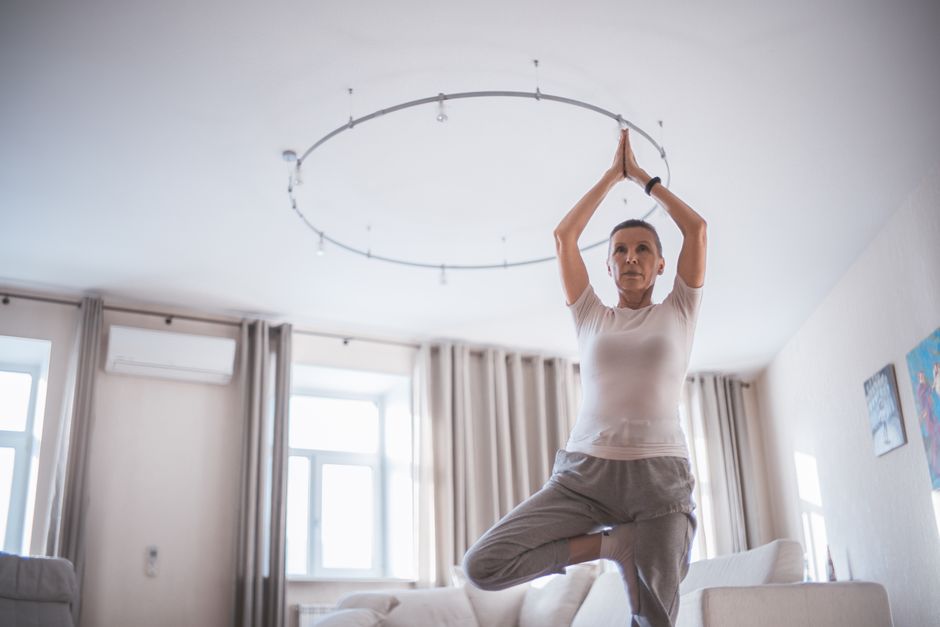
How it actually works, step by step
The routine is refreshingly ordinary. You charge the device, insert it, open the app, and follow a short guided session. Most programs run around five minutes a day and mix two things your pelvic floor needs in equal measure: the squeeze (contraction) and, just as importantly, the full release (relaxation). A tense, overworked muscle is not a strong one.
- It isolates the right muscles. If you cheat with your abs, thighs, or breath, the graph flattens and you see it instantly.
- It tracks progress. Strength, endurance, and control are logged session after session, which is oddly motivating.
- It gamifies the boring part. Steering a character with your muscles sounds silly until you realise you have actually done your five minutes, every day, for a month.
A quiet win. The biggest benefit is not the tech, it is adherence. Research keeps showing that pelvic floor training works when it is done correctly and consistently, and a screen that cheers you on makes “consistently” far more likely.
Who a connected pelvic floor trainer is for
These devices are not a cure-all, but a few situations are a genuinely good fit.
- The post-partum months. After birth, the pelvic floor often needs patient rebuilding. A trainer can support that work once you have the green light, and it pairs naturally with everything we cover on pelvic floor rehab.
- Mild stress leaks. A few drops when you sneeze, laugh, or run are common and often respond well to consistent, correct training.
- Rebuilding tone and confidence. Around perimenopause, or simply after a sedentary stretch, some people just want to feel more connected to that part of the body again, including for a more comfortable intimate life.
- People who like data. If you thrive on progress bars and streaks, biofeedback turns an abstract chore into a measurable habit.
Not everyone should self-train. If you feel pelvic pain, a heaviness or bulge, leaks that soak through, or you are early post-partum without medical clearance, do not start alone. Some pelvic floors are too tense rather than too weak, and squeezing more can make things worse. Book a pelvic health physio or midwife first.
Connected trainer vs Kegel balls vs supervised physio
People often ask which one to choose, as if they were rivals. They are not really. Here is how the three main routes compare, so you can see where a connected trainer fits.
| Connected trainer (sensor + app) | Kegel balls / weights | Supervised physiotherapy | |
|---|---|---|---|
| Main strength | Real-time biofeedback, so you know you are doing it right | Added resistance and body awareness | Expert assessment and a tailored plan |
| Feedback | Visual, measured, logged | None, purely by feel | Hands-on, professional |
| Motivation | High, gamified | Low, easy to abandon | High, accountability of appointments |
| Best for | Guided home training, mild leaks, habit building | Those who already train correctly and want extra load | Pain, prolapse symptoms, complex or persistent cases |
| Rough cost | One-off purchase, often around 90 to 150 | Low, one-off | Per session, sometimes covered by insurance |
The honest takeaway: if you have a real symptom, professional care leads. A connected trainer then becomes a brilliant way to keep that work going at home between sessions, and Kegel balls suit people who already have the technique nailed and simply want more resistance.
How to get started without frustration
- Empty your bladder first, then find a quiet, comfortable position, lying down is easiest at the start.
- Use a little water-based lubricant for comfortable insertion, and follow the app’s calibration step so the sensor learns your baseline.
- Breathe. Squeeze on the exhale, release fully on the inhale. If the graph only moves when you hold your breath, that is a sign you are recruiting the wrong muscles.
- Keep sessions short and regular. Five focused minutes a day beats an exhausting marathon once a week.
- Clean it properly with warm water and mild soap before and after each use, and let it dry fully. Never share it.
Give it time. Muscle change is slow and quiet. Most programs suggest daily practice for eight to twelve weeks before you judge the results, so trust the process and let the app track the trend for you.
The limits: what a connected trainer cannot do
Let’s stay honest, because the marketing rarely is. A sensor and an app are clever, but they are not a clinician. They cannot examine you, they cannot diagnose why you leak, and they cannot tell whether your problem is a weak floor or an overly tight one. For some people, more squeezing is exactly the wrong prescription.
They also do nothing for the emotional side of recovery, which matters more than any graph. Getting comfortable with your body again after birth, for instance, is as much about patience and reconnection as it is about muscle tone, something we explore gently in our piece on sex after childbirth. A device supports that journey. It does not shortcut it.
When to see a professional
Book an appointment with a pelvic health physiotherapist, gynaecologist, or midwife, rather than reaching for a gadget, if you notice any of the following:
- Leaks that soak through protection or disrupt your daily life.
- Any pain, burning, or discomfort during exercise or intimacy.
- A feeling of heaviness, dragging, or a bulge (possible prolapse symptoms).
- A recent birth without a post-natal check, or persistent symptoms that do not improve.
None of this is meant to scare you off. It is simply that your pelvic floor deserves the same care you would give any other part of your health. A quick professional assessment turns a hopeful guess into a plan that actually fits you. For more calm, judgement-free reading, our well-being section is always open.
Frequently asked questions
Does a connected pelvic floor trainer really work?
It can, with a caveat. The training itself is what strengthens the muscles, and studies show pelvic floor exercises are effective when done correctly and consistently. The device’s real value is making “correctly and consistently” much easier through biofeedback and motivation. It is a tool that improves your technique, not a magic fix.
How long until I notice results?
Muscle changes are gradual. Most programs recommend daily sessions of a few minutes for at least eight to twelve weeks before judging progress. The app’s tracking helps you see small gains you might otherwise miss.
Is it safe to use after giving birth?
Only once you have medical clearance. Wait for your post-natal check and ask your midwife or doctor before you start, since some post-partum floors need release and assessment before any strengthening. Never rush this stage.
Connected trainer or Kegel balls, which should I pick?
If you are unsure whether you are engaging the right muscles, a connected trainer wins because it shows you in real time. Kegel balls suit people who already have solid technique and simply want added resistance. They can even be complementary over time.
Can it replace seeing a pelvic floor physiotherapist?
No. It complements professional care but cannot examine, diagnose, or treat you. If you have pain, prolapse symptoms, or leaks that affect your life, a physiotherapist should lead, with the device supporting your home practice between sessions.
How do I keep the device hygienic?
Choose a body-safe silicone model, wash it with warm water and mild soap before and after each use, dry it completely, and store it in a clean pouch. It is a personal item, so never share it with anyone.
Ready to choose with confidence?
Discover our independent, tested selections.