Pelvic Floor Rehabilitation: What It Really Involves, and Why It Changes So Much
What pelvic floor rehabilitation really is, who it's for, what a session looks like, and why learning to release matters as much as squeezing.
8 minread, no jargon
1 in 3women affected by leaks at some point
First linebefore any surgery, say the guidelines
Release toonot just squeezing

In short
- Pelvic floor rehabilitation retrains the muscles that support your bladder, bowel and intimate comfort, after childbirth, with leaks, or simply as you age.
- It’s usually led by a specialised physiotherapist or a midwife, and it starts with an assessment, never a random routine.
- A good programme teaches you to release as well as contract. A tight pelvic floor can cause as much trouble as a weak one.
- Home exercises like Kegels are a complement, not a replacement, for a proper evaluation.
One of the questions I heard most often across the counter went something like this, always half-whispered: “Is it normal that I leak a little when I sneeze now?” Common, yes. Something you just have to live with, absolutely not. And that quiet resignation is exactly what I want to talk you out of today.
Your pelvic floor is a hammock of muscle slung between your pubic bone and your tailbone. It holds up your bladder and bowel, it plays a real part in intimate pleasure, and it does its job in total silence, until one day it doesn’t. Pregnancy, birth, heavy lifting, chronic coughing, the hormonal shifts of menopause, all of it can stretch or strain that hammock. Pelvic floor rehabilitation is simply the process of teaching those muscles to work well again. Not harder. Well.
This guide walks you through what it’s for, who it’s really for, what actually happens in a session, and why the part everyone skips, learning to let go, matters as much as the squeeze.
What pelvic floor rehabilitation is actually for
People assume it’s only about stopping leaks. It’s broader and, honestly, more interesting than that. A tailored programme can help with several things at once, because the same muscles are involved in all of them.
- Postpartum recovery. After a baby, tissues need to regain tone, coordination and awareness. This is often where the story starts.
- Urinary or bowel leaks. The small drops when you sneeze, laugh or run, or an urgency you can’t quite outrun to the bathroom.
- A feeling of heaviness or pressure low down, which deserves a professional look rather than guesswork.
- Intimate comfort and sensation. Tone and, crucially, the ability to relax influence both comfort and pleasure.
- Prevention. Around menopause, keeping these muscles responsive is one of the kindest things you can do for future you.
For context: urinary incontinence touches somewhere between a quarter and nearly half of women depending on age, and international guidelines recommend supervised pelvic floor muscle training as a first-line approach, tried before anything more invasive. That’s not a fringe therapy. That’s the recommended starting point.
Who should you see, and when
The two professionals you’ll hear about most are pelvic health physiotherapists (physios with specific training in this area) and, especially in the postpartum window, midwives trained in perineal rehabilitation. Both start the same way: with an assessment, so the plan fits your body rather than a generic template.
The timing question comes up a lot after birth. As a rule of thumb, gentle awareness work can begin early, but structured rehab usually waits until the postnatal check, often around six weeks, once your body has begun to settle. Outside pregnancy, there’s no wrong age. If something feels off, that’s reason enough.
Get assessed before you self-treat. A weak floor and an over-tight floor can feel similar from the inside but need opposite work. A professional evaluation tells you which one you’re dealing with, so you don’t spend months making the wrong thing worse. This article is general wellbeing information, not medical advice.
What actually happens in a session
If you’ve never been, the unknown is the scary part. So let me demystify it. A first appointment is mostly conversation and assessment: your history, your symptoms, what you want back. The practitioner then evaluates how your muscles are working, their strength, yes, but also their coordination and their ability to release. Everything is explained, consent-led, and done at your pace.
From there, sessions typically blend hands-on guidance with tools that make the invisible visible. Here are the main methods you might encounter.
| Method | What it involves | Often used for |
|---|---|---|
| Manual work | Guided exercises and hands-on feedback so you learn to feel and target the right muscles. | Building awareness and correct technique from scratch. |
| Biofeedback | A sensor shows your muscle activity on a screen in real time, so you can see a contraction and a release. | When you struggle to know if you’re doing it right, or over-recruiting. |
| Electrostimulation | A gentle current prompts the muscles to contract, waking up connections that are hard to activate on your own. | Very weak or hard-to-sense muscles early on. |
| Home programme | A short set of exercises to repeat between sessions, adjusted as you progress. | Consolidating gains and making them last. |
Guidelines commonly suggest a handful of guided sessions paired with regular home practice. It’s a partnership: the clinic teaches, and the repetition at home is what makes it stick.
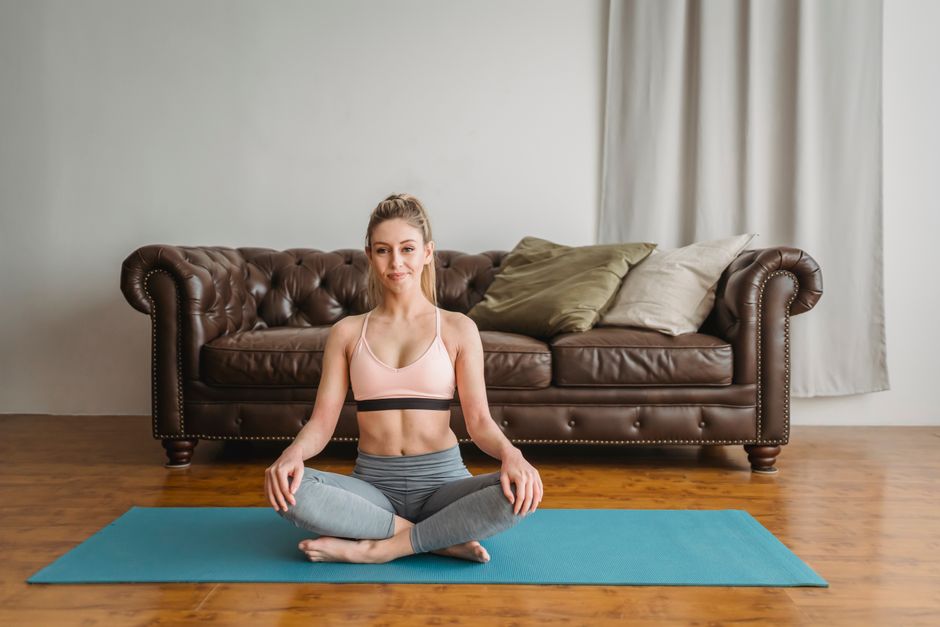
The part everyone skips: learning to release
Here’s the message I most want you to take away. Rehabilitation is not a squeezing contest. A muscle that can only contract and never fully let go is not a strong muscle, it’s a tense one. And a permanently clenched pelvic floor can bring its own problems: discomfort, pain, difficulty with intimacy, even leaks, because a muscle held tight all day has nothing left to give when you actually need it.
So a good programme trains both halves of the movement equally: the contraction and the full, deliberate release. Think of it like a bicep. You’d never train it by keeping it flexed for hours. Same logic here. If all you’ve ever been told is “squeeze,” you’ve only heard half the instruction.
Try the exhale trick. Contract gently as you breathe out, then let everything soften completely as you breathe in. The release phase should feel just as clear and intentional as the lift. If you can’t feel the letting-go, that’s worth flagging to your practitioner.
Home exercises: a complement, never a substitute
Once a professional has confirmed what your muscles need, home practice is where the real progress compounds. The classic starting point is the Kegel, and it’s worth learning properly rather than guessing. Our beginner’s guide to Kegel exercises walks you through the technique step by step, including the common mistakes that quietly cancel out your effort.
Some people also find that a connected pelvic floor trainer helps them stay consistent, by giving feedback and turning a dull routine into something you actually keep up. It’s a support tool, not a diagnosis, and it works best once a pro has confirmed your floor needs strengthening rather than relaxing.
Little and often wins. A few minutes of good-quality practice most days beats a long, exhausting session once a week. Consistency, not intensity, is what rebuilds these muscles.
When rehabilitation isn’t optional
Some signs deserve more than a wait-and-see. If you recognise yourself below, book an appointment rather than searching for one more home tip. None of this is dramatic, all of it is treatable, and the sooner you start, the kinder the road.
- Leaks that happen daily, or that you plan your outfits and outings around.
- A sensation of heaviness, bulging or pressure low in the pelvis.
- Discomfort or pain during intimacy, or a sense that you can’t relax there.
- Postpartum symptoms that haven’t eased by your postnatal check.
- Any leaking of stool or wind, which absolutely warrants a professional assessment.
And if your questions are really about how intimacy changes after having a baby, that’s a whole conversation of its own. We cover it gently in our piece on intimacy and sex after childbirth, which pairs naturally with everything here. For more grounded, no-taboo reading, our advice section is always open.
The takeaway
Pelvic floor rehabilitation isn’t about forcing your body back into shape. It’s about reconnecting with muscles you were never really taught to feel, teaching them to work and to rest, and reclaiming a bit of everyday freedom, the sneeze you don’t brace for, the run you don’t cut short, the comfort you’d stopped expecting. Start with an assessment, keep the home practice gentle and regular, and remember: letting go is half the exercise.
Frequently asked questions
How long does pelvic floor rehabilitation take to work?
It varies with your starting point, but many people notice improvements within a few weeks of consistent, correct practice alongside guided sessions. Lasting results come from keeping the habit going, not from a quick burst.
Is it only for women who have given birth?
No. Childbirth is a common reason, but leaks, pelvic pressure, menopause-related changes and prevention are all valid motives, and pelvic floor issues affect people who have never been pregnant too.
Can I just do Kegels at home instead?
Kegels are a great complement, but not a substitute for an assessment. If your floor is actually too tight rather than too weak, more squeezing can make things worse. Get evaluated first, then practise with confidence.
Does rehabilitation hurt?
It shouldn’t. Sessions are consent-led and adapted to your comfort. Tell your practitioner about any pain, it’s useful information and it helps them tailor the work to you.
Why does releasing matter as much as contracting?
A muscle that can’t fully relax stays tense, which can cause discomfort, pain and even leaks. Training both the contraction and the release is what makes a pelvic floor genuinely functional.
Who should I book with?
A pelvic health physiotherapist or a specially trained midwife, particularly after birth. Both begin with an assessment so your programme fits your body rather than a generic routine.
Ready to choose with confidence?
Discover our independent, tested selections.