
Low Libido in Men: Causes and What Actually Helps
Sleep, stress, medication, testosterone and the relationship: what really flattens desire in men, what brings it back, and the point at which you should see a doctor.

3 to 28%of men report low sexual desire, depending on the study
10 to 15%less testosterone after eight nights of under five hours of sleep
before 10amwhen a testosterone blood test should actually be taken
3.3xthe risk of orgasmic difficulty on an SSRI antidepressant
In short
- Low libido in men almost never has a single cause: sleep, stress, medication and the state of the relationship usually stack up together.
- Testosterone explains only some cases, and it is measured on an early morning blood test, not guessed from symptoms.
- Antidepressants mainly affect orgasm; their effect on desire itself is less clear cut than the internet suggests.
- Before supplements come sleep, alcohol, daily rhythm and one honest conversation.
- A sudden drop, or one with other symptoms alongside it, belongs in a doctor’s office.
You want to want it, and nothing happens. No disgust, no particular argument, just desire that quietly switched itself off. It is one of the most common things men bring to a sexual health appointment, and one of the hardest to say out loud, because low libido in men runs into a stubborn assumption: desire is supposed to be permanently on tap. In real life it rises and falls, and it answers to tiredness, mood and whatever else is going on.
The useful news is that in most cases the thing that flattened it can be identified, and a good share of it improves without a prescription. You just have to look in the right place, in the right order. If you want the wider picture of what exists on the pleasure side, the for him page covers it. This article deals with what comes first: the body, the head and the week you are actually living.
What counts as low libido
There is no normal frequency. The only useful reference point is the gap between how you used to feel and how you feel now, plus whether that gap bothers you. A man whose desire has always been low key and who is perfectly happy with it does not have a problem. A man whose desire collapsed over three months, and who misses it, does.
The numbers give a wide range. According to the European Association of Urology guidelines, the prevalence of low sexual desire in men runs from 3 to 28% depending on the population studied and how the question is asked. It is common, and you are nowhere near alone in it.
One thing most articles skip: desire is not always spontaneous. For plenty of people, men included, it shows up in response to a situation, a touch, a bit of closeness, rather than arriving unprompted in the middle of a working day. Waiting to feel spontaneous desire before starting anything is sometimes the actual blockage, not a broken mechanism.
The most common causes of low libido in men
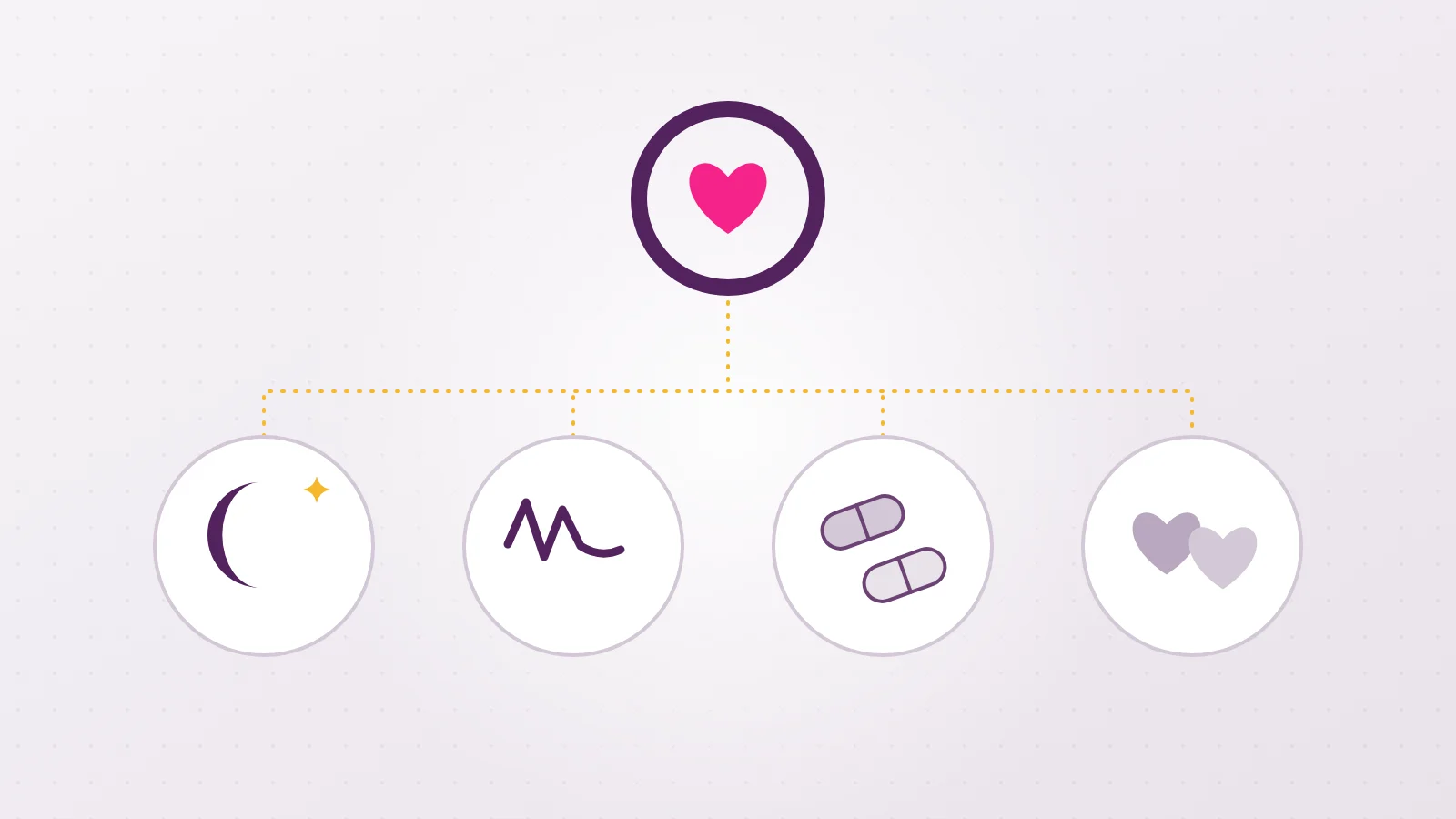
They almost always come in combination. Poor sleep makes you tired, tiredness shortens your fuse, friction erodes the relationship, and the relationship feeds back into desire. Hunting for the single cause usually wastes time. It works better to run through the four families and see which ones ring true.
Sleep, the most underrated cause
This is the lever people skip, and one of the best documented. In a study published in JAMA and run at the University of Chicago, healthy young men slept under five hours a night for eight nights. Their testosterone fell by 10 to 15%, putting them at the level of men ten to fifteen years older, and their reported sense of wellbeing dropped in step with it.
Short nights, shift patterns and heavy snoring with breathing pauses deserve attention long before any capsule does. If someone has told you that you snore loudly and seem to stop breathing, mention it to a doctor: untreated sleep apnoea drags down energy and desire together.
Stress, anxiety and mood
Sustained stress sets the body up to cope, not to want. When weeks run back to back in survival mode, desire logically goes last. Depression flattens the pull towards almost everything, sex included, and that is sometimes the first sign people around you notice. Low desire alongside broken sleep, loss of interest in things you used to enjoy and waking up exhausted needs a proper medical opinion rather than a herbal remedy.
Medication, alcohol and other substances
Plenty of ordinary treatments touch sexual function. Antidepressants, anti anxiety drugs, some blood pressure medicines and prostate treatments are among those listed by the MSD Manuals. On SSRIs specifically, a systematic review published in 2026 in the European Journal of Clinical Pharmacology adds a useful nuance: the risk of orgasmic dysfunction is roughly 3.3 times higher and sexual satisfaction clearly drops, but the increase in desire disorder itself did not reach statistical significance.
In practice: if your desire fell away after starting a treatment, that is a serious lead and worth raising with your prescriber, who can sometimes adjust the dose or switch molecules. Never stop an antidepressant on your own, and do not assume the medication explains everything either. Alcohol is simpler: it relaxes in the moment and quietly degrades sleep, desire and erections over time.
What the relationship is doing
Stored up resentment, fear of disappointing, settled routine, things never said: none of that manufactures desire. Couples who can say “not tonight” without it becoming an incident tend to keep a livelier sex life. If it is your partner whose desire has dropped, the piece on low libido from her side explains what tends to be going on, and it clears up a lot of misreadings.
Testosterone: when to test, and what it changes
It is the first thing men think of and rarely the answer. Testosterone declines gradually with age, but in most men who come in about desire it sits within range. Testing earns its place when low desire comes with marked fatigue, loss of muscle mass, low mood or hot flushes.
Two details decide whether the result means anything: the blood sample is taken in the morning, before 10am, because levels fall across the day, and the threshold usually used for deficiency is 300 ng/dl. A sample drawn at 5pm after a brutal week tells you very little.
Before considering treatment
- A low result is confirmed on a second morning sample before any decision is made.
- Prescribed testosterone switches the testicles off: it reduces sperm production and can cause infertility, which matters a great deal if children are on the table.
- No supplement sold online replaces a blood test or a prescription. For what holds up and what does not, see our round up of supplements for libido.
- This is doctor territory. This article informs, it does not replace a consultation.
Desire and erections are not the same thing
These get confused constantly, and the confusion builds its own trap. Desire is wanting. An erection is vascular plumbing. You can want someone badly without a reliable erection, and have a perfectly good erection with no interest at all.
The classic spiral starts with a harmless misfire: too much to drink, a hard week, and it does not work. Next time, your head is busy monitoring whether it will work, which is enough to make sure it does not. After a few rounds the brain learns to avoid the situation entirely, and what looks like low desire is really performance anxiety. The same loop shows up around timing, and the article on premature ejaculation walks through how to take it apart. For the muscular side, Kegel exercises for men beat anything you will read on a forum.
What actually helps, and in what order
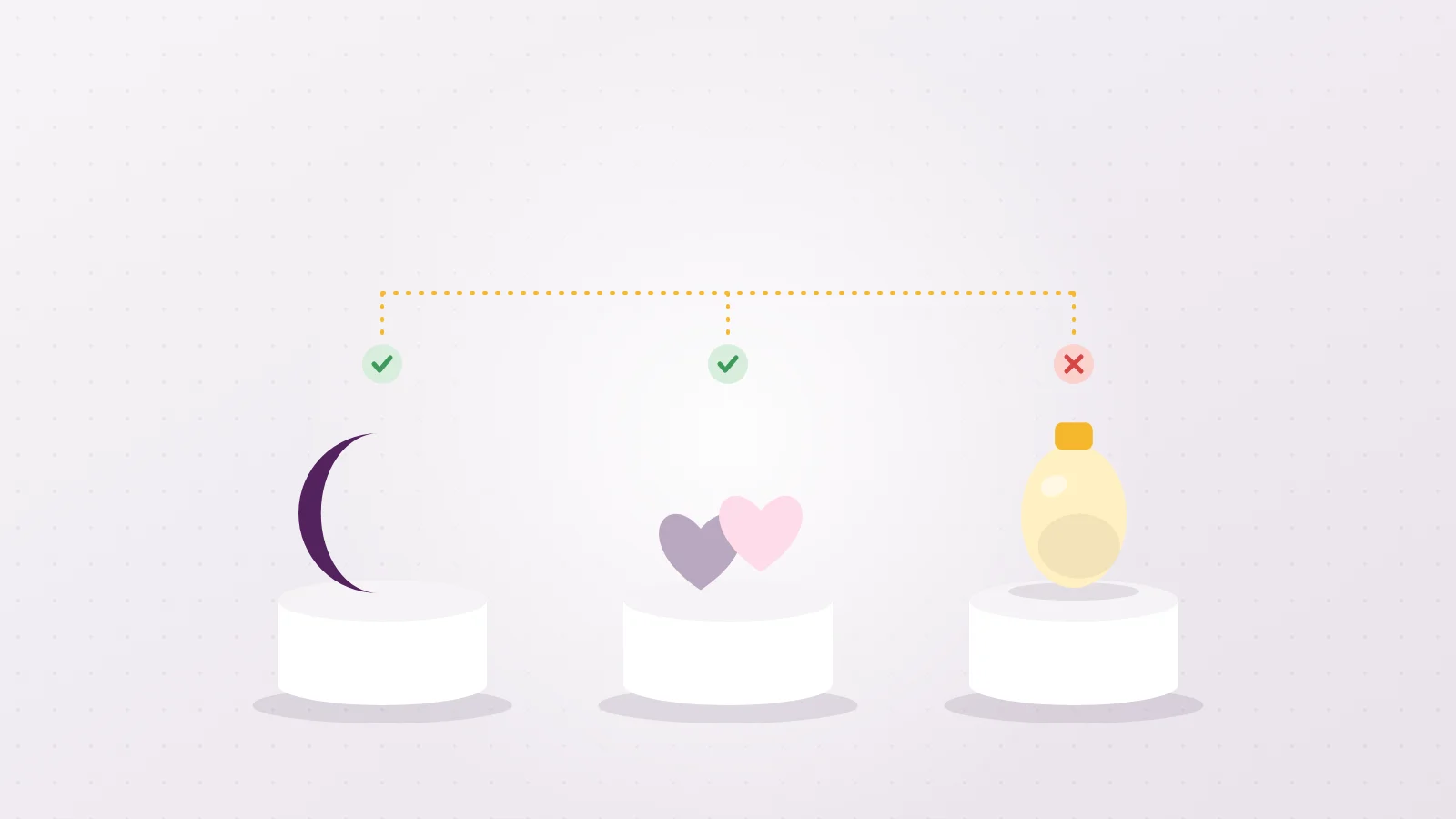
The order matters as much as the content. Buying a bottle before looking at your nights means treating the last line of the problem while leaving the first three untouched.
- Sleep first. Aim for seven to eight hours for three weeks before concluding anything. It is slow and boring, and it is the thing that shifts fastest.
- Then alcohol. Two or three weeks with little or none is often enough to bring morning energy back.
- Movement. Regular activity improves sleep, mood and circulation, which are the foundation of the rest. No gym required, brisk walking counts.
- An audit of your medicine cabinet. List what you take and ask your doctor rather than searching symptoms online.
- The conversation. It always belongs earlier in the list than people expect.
- A doctor. If nothing has moved after two months, that is the moment, not an admission of failure.
The single change that shifts the most
- Put closeness back in the week with no goal attached: a massage, a shower together, an evening with the phones away, agreed in advance that nothing further will happen.
- Responsive desire needs a context to switch on. Removing the expectation removes the fear of not measuring up, and a lot of men find desire comes back through that door.
- There are more gentle starting points in the well-being section of the site.
Talking about it together, without it turning into blame

This is the conversation everyone postpones, usually because it starts at the worst possible moment: straight afterwards, in the dark, when nobody has any armour on. Pick a neutral time, in daylight, dressed, with nothing else scheduled.
Wording does most of the work. “I am wrung out at the moment and it is bleeding into my desire, it is not about you” opens a door. “I am just not interested” closes it. On the other side, the usual mistake is reading the drop as personal rejection when it is usually about exhaustion, stress or a prescription. Saying what is happening, even with no solution attached, takes away half the weight.
When to see a doctor
There is nothing to gain from waiting it out when the situation ticks one of these boxes. A GP is a perfectly good starting point and can refer you on to an endocrinologist, a urologist or a sex therapist. The NHS advises getting in touch if you are worried about low desire, or if you suspect a medicine is behind it.
Book an appointment if
- The drop happened suddenly, over a few weeks, with no obvious explanation.
- It comes with heavy fatigue, weight gain, hot flushes or loss of body hair.
- It started after beginning a new medication.
- It sits alongside persistent low mood, loss of interest in everything, or dark thoughts.
- There is pain, urinary trouble or anything physically unusual you have noticed.
The rest of the time, libido behaves a lot like appetite: it comes back once the body is no longer chasing its own energy. Sleeping, easing off the alcohol, moving a bit and speaking plainly do more for desire than any product, and trying them in that order costs nothing.
Frequently asked questions
Is low libido in men normal as you get older?
Desire does change with age, and testosterone declines gradually from your thirties onward, but age alone does not explain a fast or distressing drop. If desire collapsed over a few months, look at sleep, stress and medication first, and raise it with a doctor.
Should I get my testosterone tested?
Not automatically. Testing makes sense when low desire comes with marked fatigue, loss of muscle, hot flushes or very low mood. It is done on a morning blood sample before 10am, and a low result is confirmed on a second sample.
Do supplements bring libido back?
For most of them the evidence is weak or absent, and none corrects a hormone deficiency or a sleep debt. Some ingredients sold online interact with prescribed medicines. Start with sleep, alcohol and activity instead.
Could my antidepressant be responsible?
It could. SSRIs are clearly linked to orgasmic difficulty and reduced sexual satisfaction; their effect on desire itself is more debated. If the drop started with the treatment, raise it with your prescriber. Never stop the medication on your own.
Can you have desire without an erection, or the other way round?
Yes, both happen and both are common. Desire is wanting, an erection is vascular function. Confusing them feeds performance anxiety, which eventually switches off desire to avoid the situation altogether.
How long before I notice a difference?
If fatigue, stress or alcohol is driving it, three to six weeks of consistent change is often enough to feel the start of a shift. If nothing has moved after two months, book an appointment rather than pushing on alone.