

Pubic Hair Removal: Methods, Risks and How to Protect Your Skin
What pubic hair is for, razor, wax, cream or laser compared, shaving step by step, ingrown hairs and when to see a doctor: a pubic hair removal guide with no rules.
83.8%of 3,316 US women surveyed groom their pubic hair
25.6%of people who groom report at least one injury
1 mmof stubble the NHS suggests leaving to limit ingrown hairs
6 to 8laser sessions on average, per Canadian dermatologists
In short
- Pubic hair is not unhygienic. It reduces friction and may trap some dirt and germs.
- Keeping it, trimming it or taking it all off is your call. No medical rule says you have to remove it.
- Razors are the most common tool, and a frequent cause of cuts and ingrown hairs.
- The more often you remove hair, and the more of it you remove, the higher the injury risk.
- Never pick an ingrown hair. See a GP or doctor if the area is very painful, hot or swollen, or if you have a fever.
Maybe it’s a beach trip, a new partner or simply a Tuesday, and you’re standing in the bathroom wondering how much to take off. Pubic hair removal is something most of us figure out alone, through trial, error and the odd nick, quietly wondering what everyone else does. Here’s the reassuring part: there’s no correct amount of hair. There are gentler and harsher methods, and a handful of habits that prevent most of the irritation.
This guide walks you through what pubic hair is for, what each method offers and risks, how to shave without wrecking your skin, and what to do about ingrown hairs. And if you’re looking after your intimate comfort more broadly, you’ll find our picks of care products and accessories designed for women.
What is pubic hair actually for?
Pubic hair arrives at puberty, and scientists still debate exactly why. A medically reviewed overview from Medical News Today names reduced skin-on-skin friction as its main benefit. The rest are theories: trapping some dirt and pathogens, and helping regulate genital temperature.
The same overview clears up a stubborn myth. Pubic hair isn’t dirty. It holds on to sweat, which can make the area smell stronger, and regular washing takes care of that. It also states that there’s currently no scientific evidence of a health benefit from removing pubic hair, apart from treating pubic lice.
One US survey of 7,580 adults, published in Sexually Transmitted Infections, found an association between pubic hair grooming and a self-reported history of STIs. An association isn’t proof of cause, and the authors call for more research. Either way, your grooming choices don’t replace protection, and testing is something to ask a health professional about whenever you’re unsure.
Keep it, trim it or take it all off: your call
Grooming is common. In a nationally representative survey of 3,316 US women, published in JAMA Dermatology in 2016, 83.8% said they groomed. Among them, 59% cited hygiene, 45.5% said it was part of their routine and 21.1% said a partner preferred it. Those figures describe what people do. They say nothing about what you should do.
You can leave everything as it is, trim with scissors or clippers, tidy the bikini line, or go fully bare, and you can change your mind with the seasons. The only measure that matters is comfort. Skin that stings, itches or breaks out in bumps every time is telling you the method or the pace isn’t working for it.
Going fully bare
Removing all of it asks the most of your skin. A second study in JAMA Dermatology in 2017 surveyed 5,674 US adults who groom: 25.6% reported at least one injury, mostly cuts, followed by burns and rashes, and 1.4% needed medical care. The researchers found two independent risk factors: how often people groomed and whether they removed all their hair. If you go bare, technique and a light hand matter even more.
Pubic hair removal methods compared
The Canadian Dermatology Association publishes a patient handout, written by dermatologists, on every common method. Here’s what it says, applied to the bikini area.
| Method | How long it lasts | Watch out for |
|---|---|---|
| Razor | Quick regrowth | Nicks, cuts and ingrown hairs. Always on wet skin, with gel. |
| Hair removal cream | See the instructions | Burns if misused. Do a patch test before the first use. |
| Waxing or sugaring | 2 to 3 weeks | Hot wax can burn. Can be done at home or by a beautician. |
| Laser | Lasting results after 6 to 8 sessions, 8 to 12 weeks apart | Blisters, redness, scarring. Higher risk of pigment changes on tanned or darker skin. |
| IPL | Less effective at stopping growth | Burns, scarring, paradoxical regrowth. See a dermatologist first. |
| Electrolysis | The only permanent method | A fine needle destroys each follicle. Works on all skin colours. |
Razors lead by a long way: in the 2016 study, 61% of the women surveyed named a manual razor. The 2017 study found that, among women, waxing was linked to fewer repeat injuries than blades. Clippers shorten hair without cutting it flush to the skin, which fits the NHS advice to leave a little length. The NHS page on ingrown hairs also suggests an electric razor or hair removal cream if blades keep giving you bumps, and laser as a longer-term option.
How to shave your pubic area, step by step
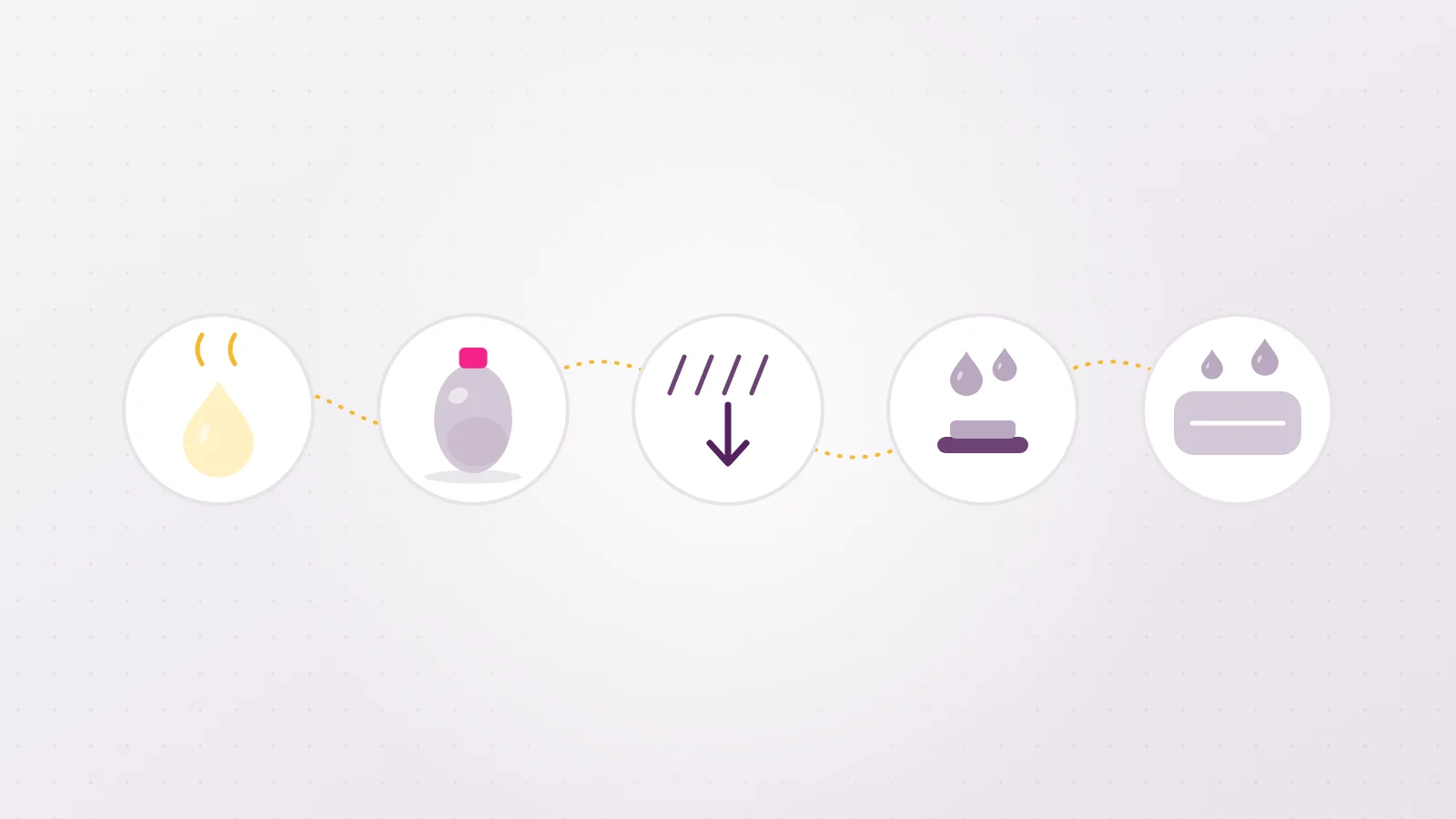
If you reach for a razor, these steps come from the NHS and the Canadian Dermatology Association. They cut down on both nicks and ingrown hairs.
- Wet your skin with warm water. Dry shaving raises the risk of cuts and ingrown hairs.
- Apply shaving gel or cream.
- Shave in the direction the hair grows, with as few strokes as possible, and don’t go back over the same patch in different directions.
- Rinse the razor after every stroke.
- Finish by holding a cool, wet cloth against your skin.
Tip
Skip the ultra-close shave. The NHS suggests leaving at least 1mm of stubble, never using a blunt razor and shaving less often if you can. Store your razor somewhere dry between uses.
The NHS also mentions an exfoliating scrub to release hairs trapped under the skin. Go gently, and if the area is already irritated, give it time to settle first.
Wax, cream and laser: the precautions for each
Hair removal cream dissolves the hair rather than cutting it. Canadian dermatologists stress two things: do a patch test first, then follow the instructions exactly, including timing and the list of areas to avoid. Leaving it on too long is enough to cause a chemical burn.
Wax pulls hair out from the root, so it grows back more slowly. With hot wax, test the temperature on a small patch before spreading it. The same dermatologists note that waxing and sugaring can be done at home or by a beautician.
Laser and IPL target the follicle. The Canadian Dermatology Association recommends seeing a dermatologist before IPL, or having it done under one’s supervision, because of the burn risk, especially on darker skin. Laser takes many months of sessions. With a home device, read the list of excluded areas in the manual before the first flash.
Ingrown hairs and irritation: prevention and care

An ingrown hair is one that grows back into the skin, leaving a raised, itchy bump that can turn painful if it gets infected. The NHS says they’re more likely with coarse or curly hair, in areas you shave, and after waxing, plucking or threading. Its headline advice is blunt: the best way to prevent ingrown hairs is not shaving.
If one appears anyway, don’t scratch, pick or squeeze it. That damages the skin and can cause infection. A pharmacist can suggest a cream for itching, an exfoliant or a mild antiseptic. While it heals, keep washing simple and follow our gentle guide to intimate hygiene: water, a mild soap on the outside only, and nothing scented.
When to see a doctor
Most ingrown hairs don’t need medical help. The NHS advises seeing a GP if the hair or the skin around it is very painful, hot or swollen, or if you have a high temperature, feel hot and shivery, or feel very unwell. A GP can remove the hair with a sterile needle, prescribe a steroid cream, or give antibiotics if it’s infected. For any cut, burn or unusual bump in the genital area, check in with a health professional.
Aftercare: give your skin a break
The hours after hair removal matter as much as the method. A cool cloth calms the heat after shaving. Don’t go back over a patch that’s turning red. Spacing out sessions is the most useful habit of all: the 2017 study lists frequency among the risk factors for injury.
Good habit
Keep your razor to yourself, swap the blade as soon as it drags, and pick your moment: not right before a swimsuit or tight jeans, but the evening before, so your skin has time to calm down.
The bottom line
Pubic hair removal is about preference, never hygiene or rules. If you do remove hair, pick a method your skin tolerates, shave with the grain on wet skin, space out sessions and leave ingrown hairs alone. And if you’d rather leave it all, your body has nothing to apologise for. For more everyday comfort tips, browse our well-being articles.
Pubic hair removal: your questions answered
Is it more hygienic to remove pubic hair?
No. Pubic hair holds on to sweat, which can make the area smell stronger, but regular washing takes care of that. There is no scientific evidence of a health benefit from removing it, apart from treating pubic lice.
What is pubic hair for?
Its best-supported role is reducing skin-on-skin friction. Researchers also think it may trap some dirt and germs and help regulate genital temperature, but these remain theories.
Which pubic hair removal method is gentlest on the skin?
The NHS says the best way to prevent ingrown hairs is not shaving. If you want hair gone, clippers, an electric razor or hair removal cream are alternatives to blades. Laser is a longer-term option to discuss with a dermatologist.
How do I stop ingrown hairs after shaving?
Shave wet skin with gel, in the direction of growth, in as few strokes as possible. Rinse the blade after every stroke, leave at least 1mm of stubble and shave less often. A gentle exfoliating scrub helps free trapped hairs.
What should I do about an ingrown pubic hair?
Don’t pick or squeeze it. A pharmacist can suggest a soothing cream or a mild antiseptic. If the area becomes very painful, hot or swollen, or you have a high temperature, see a GP or doctor.
Is removing all pubic hair riskier?
A 2017 study in JAMA Dermatology found that removing all pubic hair and grooming often were both independent risk factors for injury. It is still your choice, and a gentle technique matters even more.