
Back Massage at Home: Simple Steps Anyone Can Follow
How to set up the room, pick an oil, move from long glides to kneading and thumb pressure, avoid the classic mistakes and know when back pain needs a doctor.
25trials pooled by the Cochrane review on massage for back pain
3,096people took part in those trials
37studies in a 2004 meta-analysis of massage effects
3core strokes: glide, knead, press
In short
- A good back massage rests on three strokes: long glides to warm up, kneading to loosen, thumb pressure to target tight spots.
- You work the muscles on either side of the spine, never the spine itself.
- Warm the oil in your hands first, and keep at least one hand on the back at all times.
- Research points to short-term relief for back pain and an immediate drop in anxiety. Massage does not replace a medical opinion.
- Back pain with weakness in both legs or bladder changes is an emergency: skip the massage. A fever means seeing a doctor first.
Your partner has been hunched over a laptop all day, rolls their shoulders for the third time, and you hear yourself say: “Lie down, I’ll rub your back.” Then the questions arrive. Where do you start? How hard should you press? What are your hands supposed to do once they reach the shoulder blades? A back massage at home needs no table and no certificate. It needs a sensible order of strokes, warm oil and a lot of listening.
This guide walks you through the whole thing, from setting up the room to the last still press of your palms. It is also one of the easiest ways of making time for each other without buying a thing: one back, two hands, and a quiet stretch of evening where nobody checks their phone.
What a back massage can and cannot do
Let’s be honest about expectations first. A Cochrane review published in 2015 pooled 25 trials with 3,096 people living with low back pain. For subacute and chronic back pain, massage improved pain and function in the short term compared with no treatment. Long-term benefits were not shown. The authors are cautious: they write that they have very little confidence that massage is an effective treatment for low back pain, mainly because the studies were weak.
On relaxation, the picture is clearer. A meta-analysis of 37 studies in Psychological Bulletin found that a single massage session lowered in-the-moment anxiety, blood pressure and heart rate. A course of sessions was linked with larger reductions in longer-lasting anxiety and low mood.
So a back massage feels good, right away and a little beyond. It will not fix a slipped disc or sciatica. The US National Center for Complementary and Integrative Health puts it plainly: massage should not be used to put off seeing a health care provider about a medical problem.
Set the scene before you touch
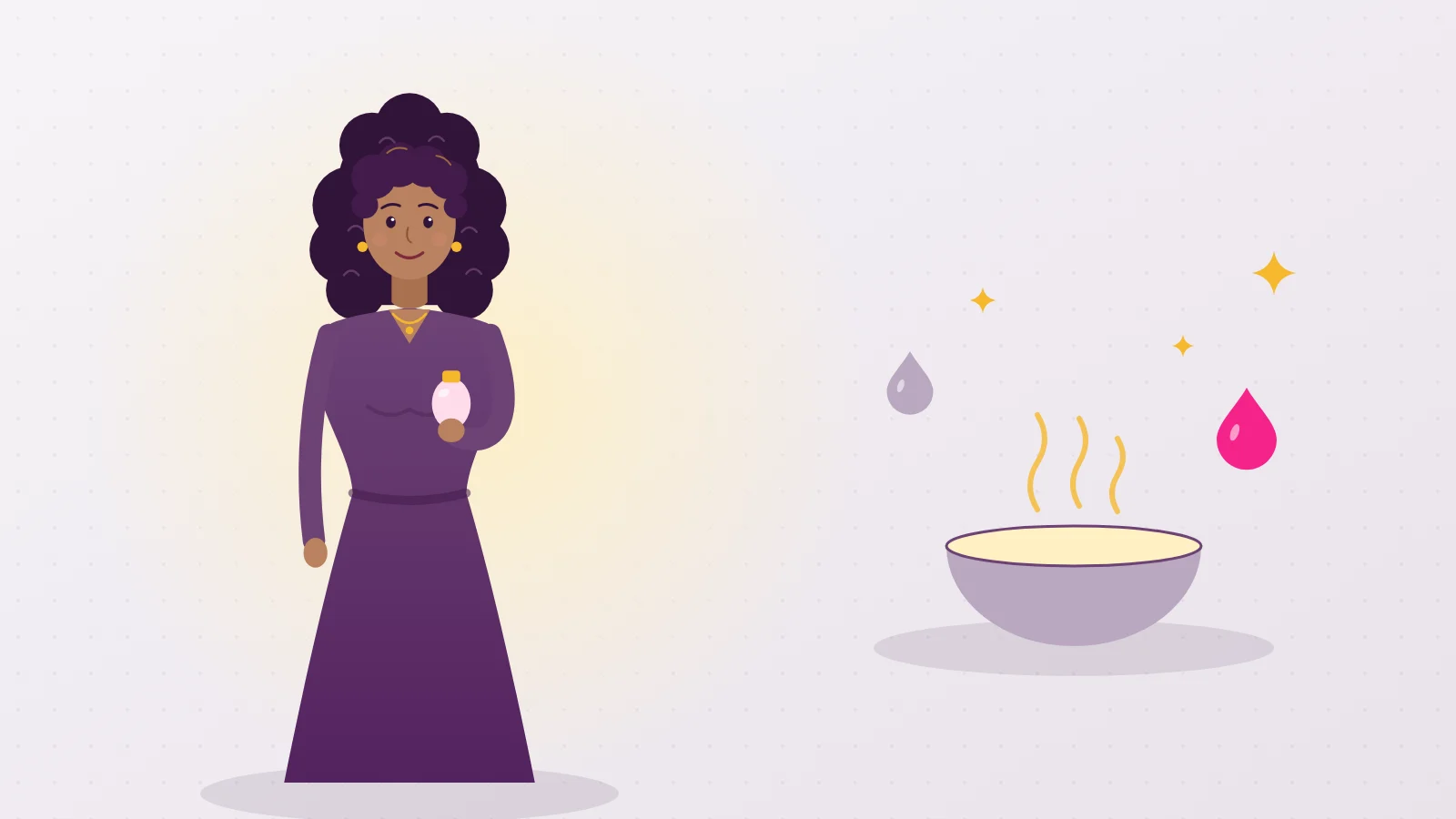
Half of a good massage happens before the first stroke. Someone who is cold or lying awkwardly will not relax, however skilled your hands are.
- The room: a little warmer than usual, soft light, phones on silent. A bare back cools down fast.
- The surface: a firm mattress or a thick mat on the floor, covered with a towel. A soft bed swallows your pressure and makes you hunch.
- The position: face down, arms by the sides or folded under the forehead. A flat cushion under the ankles often makes lying prone more comfortable.
- A towel or sheet over the legs and lower back: uncover only the area you are working on. It keeps the warmth in and helps your partner feel at ease.
- Your hands: washed, warmed, nails short, rings and watch off.
For atmosphere, one candle is enough. If you like the idea of combining the two, a massage candle that melts into warm oil lights the room and doubles as your product. Always test the wax on the inside of your own wrist before pouring.
Which oil to use
Oil lets your hands glide without dragging the skin. A plain plant oil works perfectly well: grapeseed, jojoba or sweet almond. Skip sweet almond if either of you has a nut allergy. If you want to compare textures, scents and what they are compatible with, here is how to pick an oil that glides without feeling sticky. Essential oils always need diluting, and are best avoided during pregnancy or on reactive skin unless a pharmacist has said they are fine.
Tip: never pour oil straight onto the back. Put it in your palm, rub your hands together for a few seconds, then lay them flat. A cold trickle of oil is enough to make someone tense up just as they were letting go.
How to give a back massage, step by step
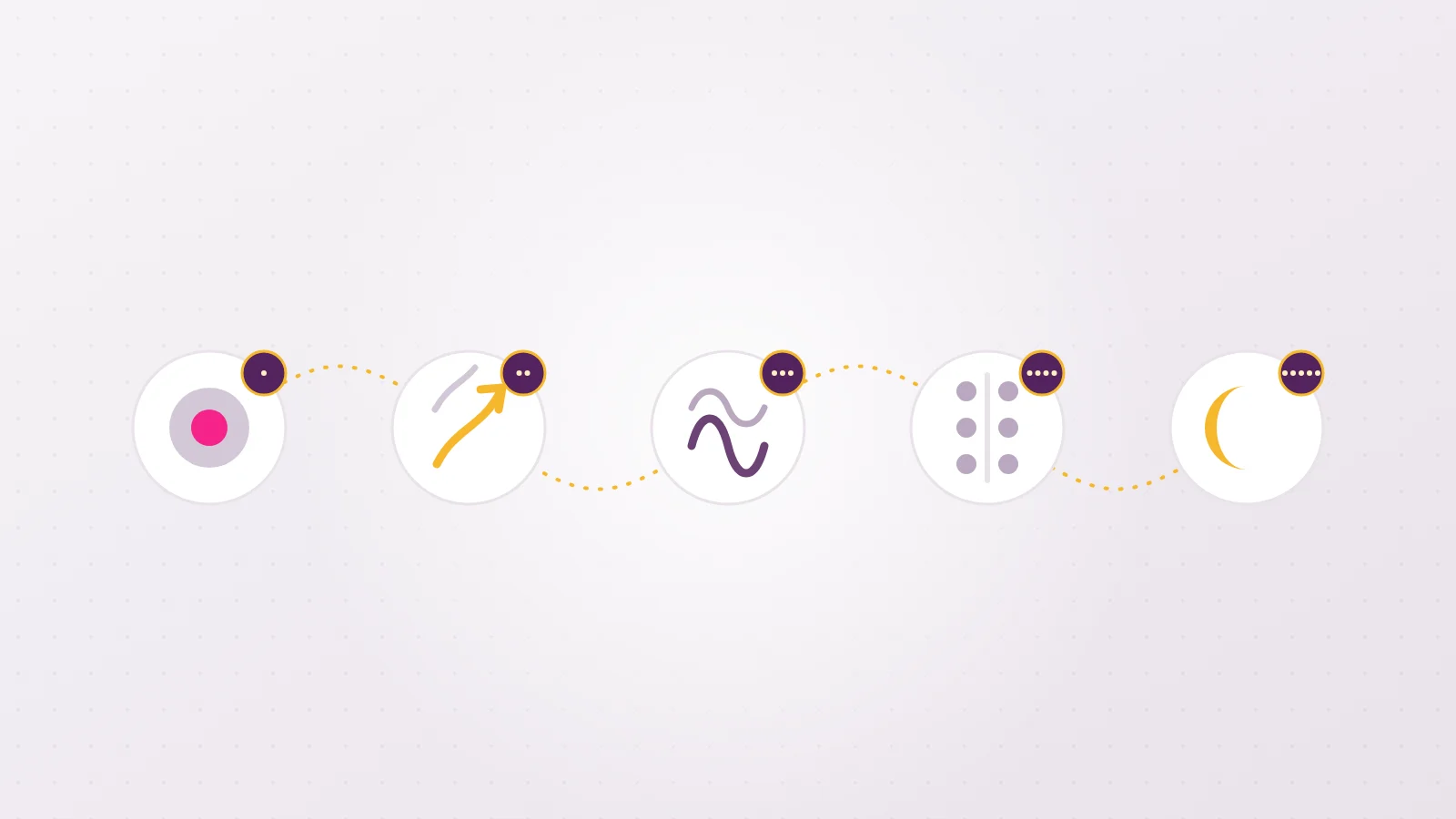
Massage guides agree on the same sequence: broad strokes to warm up, deeper work in the middle, lighter strokes again to finish. Kneel beside your partner, or straddle the backs of their thighs without sitting on them, so you can lean in with your body weight instead of pushing from your arms.
1. Make contact
Rest one hand between the shoulder blades and the other on the small of the back, and stay still. Breathe slowly. This pause tells the body the massage is starting and lets your partner get used to your hands.
2. Glide to warm up
Hands flat, fingers together, start at the lower back and slide up either side of the spine to the shoulders. Fan out across the shoulders, then come back down the sides of the ribs with lighter pressure. Repeat several times, slowly, pressing a little more with each pass. This stroke, called effleurage, spreads the oil, warms the muscles and sets the rhythm.
3. Knead to loosen
On the fleshier areas, the tops of the shoulders and the sides of the waist, gently gather the muscle between your thumb and fingers, lift, then release, alternating hands as if working dough. The motion should roll, never pinch. Keep off bony areas and stay at a pressure your partner enjoys.
4. Thumb pressure
Place your thumbs on either side of the spine, about two finger-widths out from it, and work upwards in short gliding presses from the lower back towards the neck. Around the shoulder blades, draw small circles with the pads of your thumbs. On the ridge between neck and shoulder, press and release slowly: tension tends to settle there.
5. Wind down
Go back to the long glides from the start, lighter each time, then switch to fingertips, brushing down from the shoulders to the lower back. Finish with both palms resting still for a few seconds, then lift them away slowly. Cover the back with the towel and let your partner get up in their own time.
Mistakes that spoil a back massage
- Pressing on the spine. Vertebrae are bone. Work the muscles alongside them, never on top.
- Leaning hard on the lower back. The lumbar area has no ribs to protect it, so keep pressure moderate there.
- Thinking harder means better. NCCIH notes rare serious injuries, some of them after vigorous techniques such as deep tissue massage. At home there is no reason to chase pain.
- Breaking contact constantly. Keep one hand on the back while the other reaches for more oil.
- Never checking in. Ask about pressure at the start, then let the quiet settle. A good massage follows your partner’s reactions.
Feeling a little sore the next day can happen. In the Cochrane review it was the most commonly reported side effect, in 1.5% to 25% of participants depending on the trial, with no serious adverse events reported. If the pain keeps building over the following days, check in with a doctor or physiotherapist.
When to skip the massage
A home massage is for a back that is tight, tired or stiff at the end of the day. A pain that worries you belongs with a professional. The NHS lists the back pain symptoms that need emergency care, and the ones that need a doctor soon.
Call emergency services (999 in the UK, 911 in the US) or go to A&E or the ER, and do not massage, if back pain comes with pain, tingling, weakness or numbness in both legs, loss of feeling around the genitals or bottom, difficulty peeing or loss of bladder or bowel control, chest pain, or if it started after a serious accident or a bad fall.
See a doctor quickly before any massage if back pain comes with a fever or feeling shivery and unwell, if the pain is severe and came on suddenly or is getting worse quickly, or if you have lost weight without trying. Also avoid massaging broken skin or an area that is swollen or hot, and ask a doctor first if there is a history of blood clots, a recent fracture, osteoporosis, pregnancy or cancer treatment.
Back massage as a couple’s ritual
Between partners, a back massage becomes a way of reconnecting after a day of passing each other in the hallway. A few habits help it last beyond the first evening:
- Take turns: whoever gives tonight receives next time. Nobody keeps score, and nobody always gives.
- Keep the intention clear: a relaxing massage stays a relaxing massage. If it drifts somewhere else, that is a choice you make together, never an expectation.
- Say what feels good: “slower”, “right there”, “a bit softer”. Those few words teach you more about each other than any perfect technique.
- Mix it up: the back one evening, a simple four-step foot massage another.
Good habit: before you start, ask whether there is a spot to avoid or a spot that needs attention. That one question heads off most awkward moments and shows you are massaging for them.
You will find more ideas for slowing down together in our couples section.
The takeaway
A good back massage comes down to a few things: a warm room, a firm surface, oil warmed in your hands, then three strokes in order, glide, knead, press, before winding down. Work the muscles and never the spine, set the pressure by your partner’s reactions, and leave worrying pain to professionals. The rest is simply time you give each other.
Back massage FAQ
How do I give a back massage if I have never learned?
Follow the classic order: a few seconds of still hands, long glides from the lower back up to the shoulders, kneading on the shoulders and waist, thumb presses alongside the spine without pressing on it, then light glides to finish. Ask whether the pressure feels right and adjust.
Do I need to press hard for a back massage to work?
No. Firm but comfortable pressure is enough. Some of the rare serious injuries described by NCCIH involved vigorous massage. At home the rule is simple: if your partner winces or holds their breath, you are pressing too hard.
Does a back massage help back pain?
It can help in the short term. The 2015 Cochrane review of 25 trials found short-lived improvements in pain and function for subacute and chronic low back pain, with no proven long-term benefit. Pain that lasts or gets worse should be checked by a doctor.
What oil is best for a back massage?
A plain plant oil such as grapeseed, jojoba or sweet almond, avoiding sweet almond with a nut allergy. Warm it in your hands before it touches the skin. Essential oils need diluting and a professional’s advice during pregnancy or on sensitive skin.
Can I massage my partner’s back during pregnancy?
Check first with the midwife or doctor following the pregnancy. Lying face down soon becomes uncomfortable, so a side-lying position with cushions works better, and essential oils are best left out unless a professional approves them.