

Foot Massage at Home: The Moves That Actually Relax
What a foot massage genuinely does, what reflexology promises without evidence, four simple moves you can repeat at home, and the situations where you should leave your feet alone.

26randomised trials pooled in 2020
2,366people taking part in them
3measured effects: sleep, anxiety, mood
0proof that a foot zone treats an organ
In short
- A foot massage genuinely relaxes you. Trials measure a real effect on sleep, anxiety and mood.
- What they do not show is any link between a specific spot on the foot and a specific organ. The reflexology map is belief, not physiology.
- Four moves are enough: warmed oil, long gliding strokes, circular thumb pressure, slow mobilisation.
- Ten minutes per foot in the evening beats one marathon session a month.
- Skip it entirely with a suspected clot, an open wound or reduced sensation, and ask a clinician first.
It is late, you have just kicked your shoes off, and your feet are making a statement about the day you have had. You press two thumbs somewhere under the arch, almost at random, and within thirty seconds something lets go in your whole body, not just in the foot. That is not your imagination. A foot massage is one of the better documented relaxation habits going, as long as you are clear about what it can reasonably do, and about what it gets credited for by mistake.
No equipment, no qualification. A little oil, ten minutes and one attentive hand, yours or the hand of whoever is on the sofa next to you. It is one of the few things you can offer with no build-up at all, which is why it sits comfortably among our ideas for looking after each other without making a production of it.
Why feet take the brunt of the day
One foot holds twenty-six bones, around thirty joints, and some of the densest nerve endings in the body. It carries your entire weight, absorbs every step, and spends the day shut inside a shape that is never quite its own. Add standing for hours, thin soles and a pair that pinches slightly, and by evening you get a clenched arch, tight toes and that heavy-legged feeling climbing up into the calves.
Feet are also barely ever touched. We happily rub a neck, almost never a foot. So the stimulation lands as something new, and it registers far more strongly than it would anywhere else.
What a foot massage actually does

The real effects are modest, but they are there and they have been measured. A 2020 meta-analysis in Evidence-Based Complementary and Alternative Medicine pooled 26 randomised controlled trials covering 2,366 people. It found significant improvements in sleep quality, anxiety and depressive mood after foot massage sessions, and noted that the more total massage time participants received, the better the sleep outcome.
The authors flag the limits themselves: many of the included trials are methodologically weak, impossible to blind, and short. The relaxation effect is sound in principle. It is not a treatment.
What you can fairly expect from a foot massage at home:
- immediate muscular release in the arch and the calf,
- easier sleep onset when the session happens in the evening,
- a drop in nervous tension, as with any slow and predictable contact,
- temporary relief for feet that are tired or swollen after a long day standing.
What it does not do: cure anything, resolve an established chronic pain, or stand in for a medical opinion when something has been hurting for weeks.
Reflexology: what holds up, what does not
You cannot read about feet for long without meeting the famous chart: the heel for the pelvis, the arch for the intestines, that toe for the head. Appealing, everywhere, and never demonstrated. As McGill University’s Office for Science and Society points out, rival reflexology schools cannot even agree with each other on where the zones sit, and no study has established a link between a point on the foot and a given organ.
The confusion comes from reflexology trials genuinely finding results on sleep and anxiety. Those results are well explained by everything else the session contains: twenty minutes lying down, a quiet room, slow attentive contact. Remove the zone theory, keep the massage, the effect survives. Good news, really: there is no chart to learn.
The useful shortcut
You can get everything a reflexology session offers without knowing a single zone. Follow the sensation rather than a diagram: where the foot is tight, you feel it under the thumb, and that is where it pays to linger.
A four-step foot massage, step by step
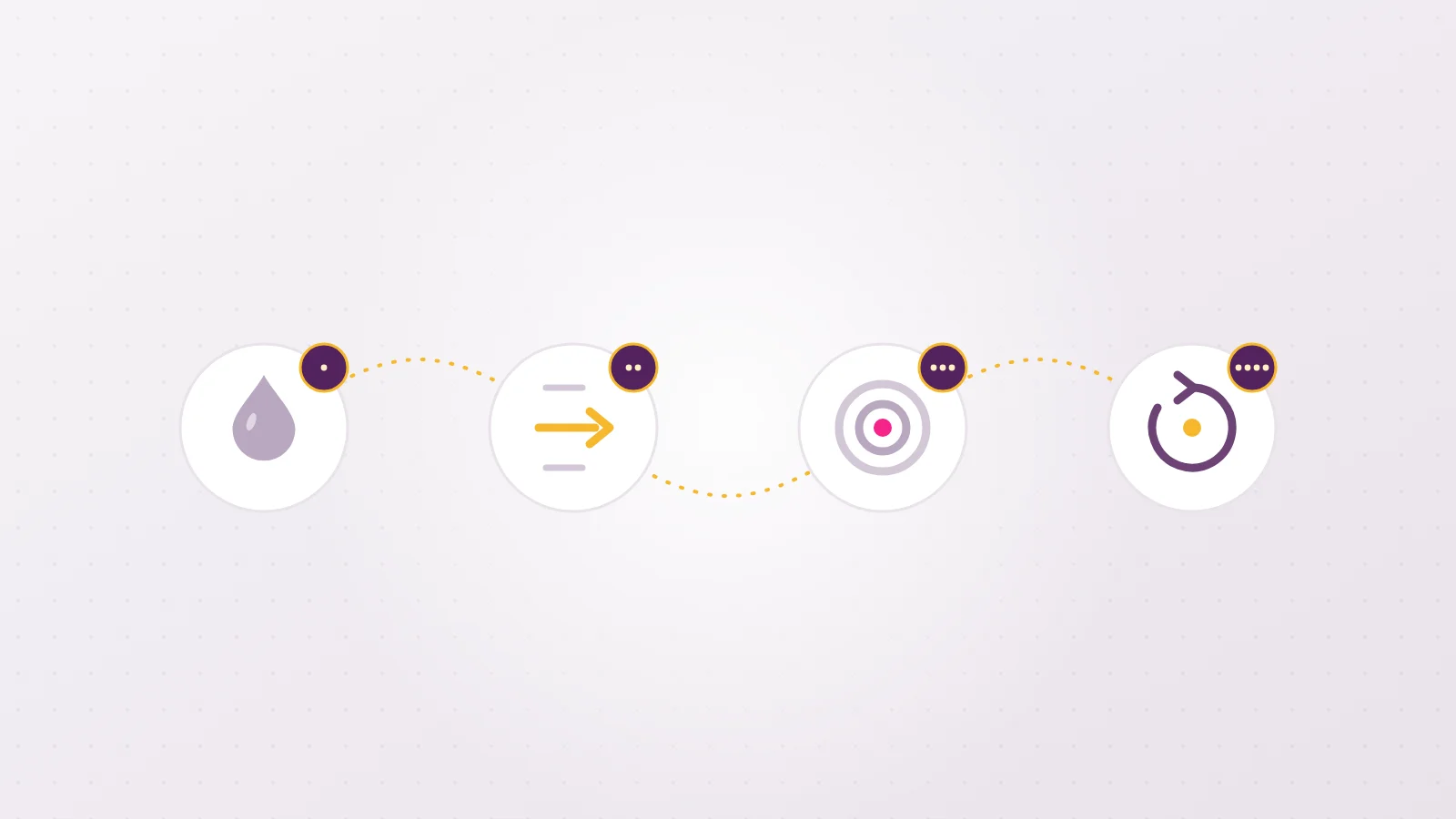
Sit down with one foot resting on the opposite thigh, or lie back with the foot on a cushion if someone else is doing the work. Clean hands, short nails, a warm room. The rest comes down to four stages, in this order, on each foot.
1. Warm the oil
Pour a hazelnut-sized amount into your palm and rub your hands together for ten seconds or so. Cold oil on a cold foot works against you: the body braces instead of opening up. Then spread it over the whole foot, top included, without pressing.
2. Glide wide, heel to toes
Flat palm, move up from the heel to the base of the toes, slowly, around ten times. This is the move that sets up everything else: it warms the tissue and gives whoever is receiving time to settle.
3. Press with the thumb, in small circles
This is the heart of it. Use the flat of the thumb, not the tip, and work in small circles from the heel towards the ball of the foot, following the arch. When you meet a tight or tender spot, stay on it for five to ten seconds with steady pressure, then release. Good pressure sits just below the point where it stops being pleasant: if they hold their breath or curl their toes, ease off.
4. Mobilise, then fade out
Take each toe at the base, pull very gently and rotate it one way then the other. Squeeze the heel into your palm, release, repeat. Finish with gliding strokes that get lighter and lighter, from ankle to toes, until your hand leaves the foot without either of you noticing exactly when. That gradual exit matters as much as the rest.
The detail that changes everything
Finish one foot before starting the other, and cover the first with a towel while you work on the second. A bare foot going cold undoes part of what you just did.
Which oil, and how much
Any plant oil will do, and your kitchen already has one. Sweet almond and sesame glide for a long time, which is exactly what a dry foot needs. Coconut sets solid in the cold and melts on contact. Olive oil works, it just smells of olives. For the real differences in texture, staying power and skin tolerance, here is a closer look at plant oils and what separates one from another.
Two rules apply to all of them. Quantity: one hazelnut-sized amount per foot is plenty, beyond that everything slips and the thumb finds nothing. Then essential oils, everywhere in heavy-legs recipes: never neat, always diluted at a few drops per ten millilitres of carrier oil, and best avoided in pregnancy and on children without pharmacy advice.
| Oil | Glide | Best for |
|---|---|---|
| Sweet almond | Long | Dry skin, a first attempt |
| Sesame | Long, warming | Cold feet, end of the day |
| Coconut | Medium | A sweet scent, melting texture |
| Jojoba | Short, absorbs fast | Reactive skin, no greasy film |
Mind the floor afterwards: an oiled foot on tiles is far more slippery than you expect. Socks or a towel before standing up.
The right moment, the right length

Evening, one to two hours before bed, is the most useful slot: that is when the effect on falling asleep has the best chance of showing up. Allow ten minutes per foot, the order of magnitude used in the trials. Under five minutes a foot, the tissue has not warmed through.
Regularity matters more than length. Two or three times a week for ten minutes gives you far more than one long session a month. And if you want the mood to last without stretching the massage itself, a candle that melts into warm oil handles the light and the heat in one go.
When to leave your feet alone
Feet are a part of the body worth watching, and a few situations call for skipping the massage altogether rather than going gently.
Ask a clinician first
- Known or suspected deep vein thrombosis, painful varicose veins, a history of clots: do not massage the leg or the foot, get it checked.
- Diabetes: neuropathy reduces sensation, so you can press far too hard without the person feeling it. Diabetes UK stresses that reduced feeling means injuries go unnoticed, which is why daily visual foot checks are recommended. Use whole-palm pressure rather than point pressure, and look the foot over before you start.
- A wound, a blister, athlete’s foot between the toes, warm redness or unusual swelling: leave the area completely alone.
- Pregnancy, fever, or sole pain that has lasted several weeks: professional advice first, every time.
None of this replaces a consultation. Pain that settles in, or that wakes you at night, deserves to be examined.
Massaging your partner’s feet
Having someone else do it has one advantage self-massage never will: you cannot predict the next move, so you cannot brace for it, so you let go. It is also remarkably accessible: nobody has to feel confident about their body or take anything off. Often a good first step for a couple out of the habit of touching outside intimate moments.
Three rules. Ask before you start: plenty of people have ticklish feet and genuinely dislike it. Use firm, steady pressure rather than light contact, precisely because light contact tickles. And do not keep up a conversation: a massage you narrate becomes a favour rather than a pause.
If it turns into a regular thing and you fancy going further than the feet, the same principle stretches easily to a whole back (these simple back massage steps are a good start) and a whole evening: here is how to carry that moment over a longer session, together.
Ten minutes, a little warm oil, two attentive thumbs: for effort spent against effect felt, one of the best things you can do at home, and it needs no theory whatsoever. For other ways to reconnect without giving up the whole evening, have a look through everything we have written about life as a couple.
Frequently asked questions
How long should a foot massage last?
Ten minutes per foot, about twenty in total, matches the order of magnitude of the sessions assessed in studies. Under five minutes a foot, the tissue has no time to warm up and the relaxation stays superficial. Past twenty minutes a foot, the extra benefit is small.
Does reflexology really treat anything?
Not in the way it claims. No study has shown that a specific zone of the foot acts on a given organ, and reflexology schools do not agree with each other on the map. The effects seen in trials, on sleep and anxiety, are explained by the massage itself, the time spent lying down and the calm of the session.
Do you need oil for a foot massage?
No, but it is considerably more comfortable. Without a carrier, the thumb drags on dry skin and the pressure turns uneven. If you have nothing to hand, a dry massage still works if you favour held pressure over gliding strokes.
Can you massage your feet every day?
Yes, as long as the pressure stays comfortable and the skin is intact. A few minutes daily is actually more useful than one long occasional session. If a spot is still sore several days later, stop and get it looked at.
Does a foot massage really help you sleep?
That is the best documented effect. The 2020 meta-analysis of 26 randomised trials found a significant improvement in sleep quality, more pronounced as total massage time increased. The authors do stress the limited methodological quality of the studies they pooled.