
Shibari for Beginners: History, Safety and How to Start
Shibari explained without the mystique: where Japanese rope bondage comes from, what it actually does to a body, the safety rules that allow no improvisation, and how to learn properly.
16th c.Origin of hojōjutsu, the rope restraint art used by Japanese law enforcement
90%Of documented rope bondage nerve injuries involve the radial nerve, 2023 study
6 mmStandard rope diameter, in 7 to 8 metre lengths
0Suspensions when you are starting out: everything happens on the floor
In short
- Shibari is the Japanese art of tying, descended from a 16th century restraint technique that became an aesthetic practice in the 20th.
- The rope is not the point. What people are after is letting go, trust, and the quality of attention between two people.
- The real risk is not dramatic, it is neurological. The radial nerve, in the upper arm, takes the heaviest toll.
- Three rules with no exceptions: safety shears within reach, never any rope around the neck, never leave a tied person alone.
- Learn in a class, from people who have been taught. Never by copying a photograph you found online.
You saw a photograph. Clean diamond patterns of rope across a back, soft light, a posture that looked oddly peaceful. And then the questions started. What is this, actually? Is it safe? Could it be something for us?
Shibari sits in an awkward place. Half the internet treats it as pure provocation, the other half sells it as harmless mindfulness. The truth is more demanding than either: a craft with a documented history, measurable effects on the body, and a handful of safety rules that allow no improvisation. Before moving from pictures to practice, understand what rope does to a body, then look at which starter gear is worth owning.
Shibari, kinbaku, hojōjutsu: sorting the words out
Shibari (縛り) simply means to tie or to bind. In Japanese it carries no particular charge at all, you could use it about tying up a parcel. It became the name of the practice in the West rather than in Japan.
Its ancestor is hojōjutsu, the martial art of restraining a person with cord, developed during Japan’s feudal period and used by samurai and then by the police forces of the Edo period. It was remarkably codified: knot patterns and rope placements signalled a prisoner’s social rank, the gravity of the offence and the fate awaiting them. The psychological weight of the tie mattered as much as the physical restraint, and the result was expected to look deliberate. Aesthetics were in the specification from the start.
In the early twentieth century, kabuki theatre borrowed these ties and reworked them so performers could reproduce them safely on stage. Seiu Ito, generally credited as the father of the form, studied hojōjutsu and drew on kabuki and ukiyo-e prints to turn it into kinbaku (緊縛), tying with intention. Postwar magazines such as Kitan Club then spread it through 1950s Japan. The two terms are now used almost interchangeably, kinbaku leaning towards the codified tradition and shibari towards contemporary practice.
Why rope does what it does
Rope laid well creates continuous, predictable pressure across a large area of skin. The body stops having to decide how to hold itself, because the decision has been made for it. For people who live with a crowded head, that temporary removal of choice produces a very distinct release, often compared to a deep tissue massage.
Then there is the relational layer, easy to underrate. Tying someone properly demands sustained attention: reading a face, catching a flinch, asking a question every couple of minutes. Being tied demands letting go and saying plainly what is happening. It is an exercise in wordless communication, which is why it keeps turning up among things couples try when the routine has set in.
Shibari also remains a minority practice, even among people who explore alternative dynamics. If the idea interests you but the framing feels intimidating, there are gentler entry points, covered in our piece on easing into light power play with someone you trust.
The safety rules that are not negotiable
This is the heart of the matter, and the part the beautiful images always leave out. The danger in shibari is not the one most people picture. They imagine choking, falling, panic. In practice the most common injury is silent, painless while it is happening, and can last for months.
The radial nerve is the weak point
A case series published in 2023 in the journal Cureus documented ten people with sixteen nerve injuries caused by Japanese rope bondage. The radial nerve was involved in 90% of them. That nerve runs just beneath the skin on the outer side of the upper arm, precisely where the most widespread chest ties sit. The detailed case describes a 29 year old woman suspended for twenty five minutes with 6 mm jute rope, who developed wrist and finger drop with reduced sensation. The measured conduction block reached 77.3%. She improved at three months and recovered fully at five.
The number to hold on to is twenty five minutes. Decent equipment, a healthy person, and that was enough. Nerve compression gives no warning and does not hurt while it is doing the damage.
Where rope does not go
- The outer upper arm, above the elbow: the radial nerve’s path and the most injury prone area. Leave it to people trained for it.
- The inner wrist and the elbow crease: nerves and vessels lie close to the surface with no muscle to cushion them.
- The armpit and the groin: exposed structures, very little margin.
- The neck: never, in any configuration, at any tension. There is no careful version of this idea.
- Directly over a joint: wrist, elbow, knee. Place rope above or below, on muscle.
Signs that stop everything
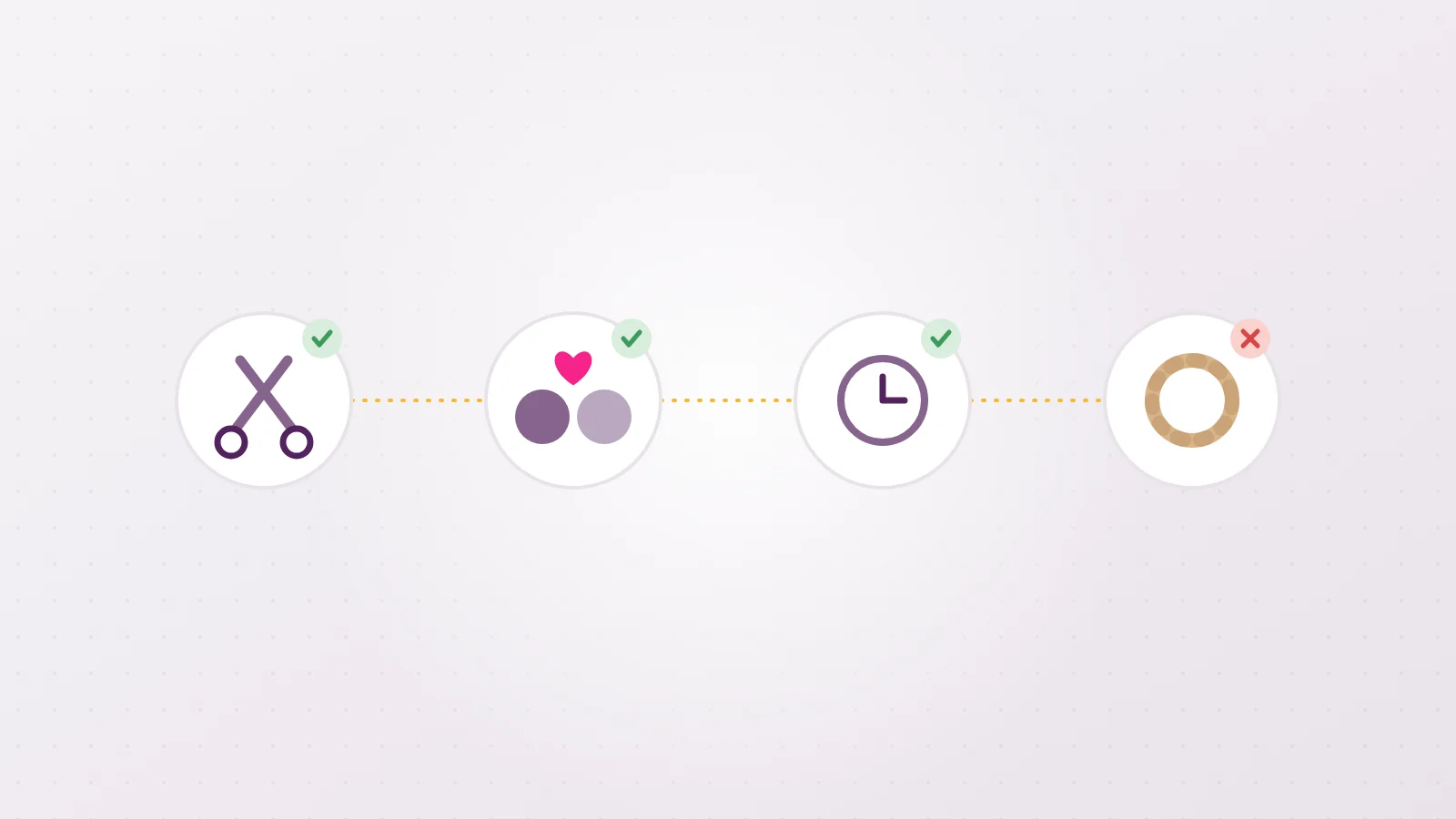
You check continuously, not once at the start. Nail colour, finger temperature, grip strength, and above all what the tied person tells you. Four signs end the session immediately: tingling or numbness, loss of strength, extremities that look white or bluish or feel cold, and a sharp white mark under the rope. Redness is normal. A white line means too much pressure.
Safety shears, always, within arm’s reach
Not kitchen scissors. EMT style shears with a blunt tip and a serrated blade, the kind that cut rope flat against skin without nicking it. They are the one genuinely non optional purchase in this practice. The three rules that go with them: never leave a tied person alone, never tie after drinking, and discuss medical history beforehand rather than afterwards. If numbness or weakness persists after a session, see a healthcare professional instead of waiting for it to pass on its own.
What not to attempt early on
No suspension, full or partial. It is a discipline in its own right, built on months of floor work and detailed anatomical knowledge. No chest tie copied from a photograph, which shows neither tension nor exact placement. No slip knot that tightens under body weight. And no first session late at night after a few drinks: fatigue degrades precisely what this needs, attention and judgement.
Consent as a working system, not a formality
Before any rope comes out, agree out loud on three things. What is allowed and what is not, concretely, area by area. A simple stop word, chosen in advance, that neither of you would say by accident. And how the tied person flags a problem if speaking becomes difficult: two finger snaps, an agreed nod, dropping an object held for that purpose.
The part people forget: that stop word is not open to discussion. It does not mean go gentler, it means untie. If either person doubts the other’s ability to hear it without flinching, the session does not happen. This practice rests entirely on trust you can verify, not on goodwill you assume.
Kit: short and plain
Enough to begin, and nothing more
- Three braided cotton ropes, 6 mm, 7 to 8 metres each. Cotton glides, unties fast and washes.
- One pair of EMT shears, left in the room, in plain sight.
- A comfortable surface at floor level: a rug, a mat, a firm bed.
- Something warm for afterwards. Bodies cool down quickly once the tension drops.
Jute and hemp can come later. They hold knots better, but they are coarse, load differently and need regular conditioning. Skip glossy synthetics altogether: knots slip and friction burns.
Learn it from someone
This is the most useful advice here and the cheapest to act on. Beginner workshops run in most large cities, hosted by rope schools, studios and local communities. They start with anatomy and the areas to avoid, then move to two or three simple ties, with an instructor adjusting your tension by hand. Three hours in a room replaces dozens of tutorials, because the one thing video cannot transmit is how tight is right.
Rope communities have a second benefit: they take the awkwardness out of it. You meet people discussing knots and safety with the earnestness of a climbing club, which makes clear that the sensual dimension is an option rather than a prerequisite. If rope turns out not to be your thing, there are plenty of other directions in our writing on couples and connection.
Afterwards: the part that gets skipped
Untying matters as much as tying
Remove rope in the reverse order it went on, without rushing. Massage wrists, hands and feet gently to help circulation come back. Cover up, offer water, stay present. Then talk: what felt good, what did not, what you would do differently. That half hour is not politeness. It is what turns an intense experience into a good memory, and it is also when you notice numbness that has not cleared.
Shibari is not a performance and requires no particular talent. It requires patience and a safety discipline you never relax. If only one thing sticks: no rope on the upper arms while you are learning, shears within reach, and the stop word obeyed on the instant. Everything else, the shapes, the quiet that arrives, builds slowly. That is rather the point.
Does shibari hurt?
Done properly, no. A well placed rope feels like firm, even pressure spread over a wide area of skin, closer to a deep massage than to a pinch. Sharp pain, pins and needles or anything electric is not part of the experience. Those are warning signs that mean the rope comes off now.
Is shibari dangerous for beginners?
It depends on what you attempt. Simple floor ties on the wrists or ankles, with a partner present and shears nearby, carry low risk. Anything involving the upper arms, the chest or suspension needs instruction, because those are the ties behind the nerve injuries in the medical literature.
What rope should I buy first?
Braided cotton, 6 mm thick, in 7 to 8 metre lengths. Three ropes are plenty to start. Cotton glides, unties easily and forgives mistakes in tension. Jute and hemp hold knots better but are coarser and behave differently under load. Avoid shiny synthetic rope: knots slip and friction burns skin.
How long can someone stay tied?
There is no official limit, but think in minutes rather than hours, and check circulation every few minutes. In the 2023 case report, a nerve injury developed after only twenty five minutes. For a first session, ten to fifteen minutes on the floor with regular checks is more than enough.
Which body areas should never be tied?
The neck, in any configuration and at any tension. Directly over joints such as wrists, elbows and knees. The inner wrist and the elbow crease, where nerves and vessels sit just under the skin. The armpit and the groin. And, for beginners, the outer upper arm, where the radial nerve runs.
Do I need a partner or a relationship to practise?
Neither is required, but real trust and communication that holds under pressure are. Many people learn in workshops with practice partners and no sensual dimension at all. What matters is that the person being tied can say stop without hesitating, and that the person tying stops immediately.